Call Us

Rhinoplasty Overview

What is Rhinoplasty?

Often referred to as a "nose job," rhinoplasty is a highly personalized surgical procedure designed to refine the shape, size, and overall proportions of the nose. By bringing your nasal structure into balance with the rest of your facial features, this procedure can profoundly impact your profile and your self-confidence. Whether your goal is to smooth a prominent bridge bump, reshape the tip, adjust the angle, or correct structural breathing issues caused by an injury or genetics, rhinoplasty in Boston offers a transformative solution tailored precisely to your unique anatomy.

What are the Benefits of Rhinoplasty?

Rhinoplasty, often called cosmetic nose surgery, offers both cosmetic and functional benefits:

Cosmetic Benefits:

  • Restored Facial Balance: Reshapes a nose that feels overly prominent or out of proportion with your eyes, cheeks, and chin.
  • Profile Smoothing: Straightens the bridge by eliminating prominent bumps, humps, or structural irregularities.
  • Tip and Nostril Reshaping: Refines the size, position, or angle of the nasal tip and narrows wide or asymmetrical nostrils.
  • Width Adjustment: Modifies the overall width of the nasal bridge for a sleeker, more streamlined appearance.

Functional Benefits:

  • Cleared Airways: Corrects internal nasal obstructions to drastically improve daily breathing and airflow.
  • Deviated Septum Repair: Straightens the internal cartilage wall separating your nasal passages to alleviate chronic congestion or snoring.
  • Turbinate Reduction: Shrinks enlarged internal tissue structures (turbinates) that frequently trigger breathing difficulties and sinus pressure.

Improving both the appearance and function of your nose can significantly boost your confidence and quality of life. To ensure you achieve your desired results, work with a skilled and experienced surgeon, like a board-certified plastic surgeon, who will tailor the procedure to your unique needs and goals during your initial consultation.


Types of Rhinoplasty Techniques

Rhinoplasty is not one-size-fits-all. Our facial plastic surgeons customize each operation to meet your needs and goals. Here are some common types of rhinoplasties available at Boston Center for Plastic Surgery:

Female rhinoplasty

This approach focuses on creating a nose that complements softer, typically feminine facial features. The goal is often a refined bridge and a gentle upward turn or delicacy at the tip that looks entirely natural on the individual's face.

Male rhinoplasty

This technique prioritizes preserving or enhancing traditionally strong, masculine facial structures. It typically aims for a straighter, slightly broader bridge and a distinct angle at the tip, avoiding an over-rotated or overly narrowed look.

Ethnic rhinoplasty

This specialized approach requires a deep understanding of diverse facial structures. The goal is to improve the harmony or function of the nose while strictly respecting, preserving, and honoring the unique heritage and distinct ethnic features of the patient.

Piezo ultrasonic rhinoplasty

This advanced, modern technique replaces traditional surgical chisels with specialized ultrasonic energy. By emitting precise vibrations that reshape the nasal bones while leaving the surrounding soft tissues, blood vessels, and cartilage completely untouched, it significantly reduces bruising, swelling, and overall post-op recovery time.

Each type of rhinoplasty requires a surgeon with specific skills and an understanding of the aesthetic and functional goals involved. Discuss your expectations and preferences thoroughly with your surgeon during your consultation for your rhinoplasty in Boston. You can also explore other cosmetic surgery procedures if they align with your goals, such as eyelid or chin surgery.

Ultrasonic (Piezo) Rhinoplasty

Ultrasonic (Piezo) Rhinoplasty is a next-generation technique that uses high-speed sound waves to sculpt nasal bones with microscopic precision. Because the ultrasonic energy targets only rigid bone, it leaves surrounding soft tissues, cartilage, and blood vessels completely unharmed. This selective precision drastically minimizes post-operative bruising and swelling, resulting in a much faster recovery and less downtime compared to traditional methods. By allowing for millimeter-accurate adjustments, this gentle approach successfully optimizes internal breathing function while delivering beautifully balanced, natural-looking aesthetic results.

Banner media

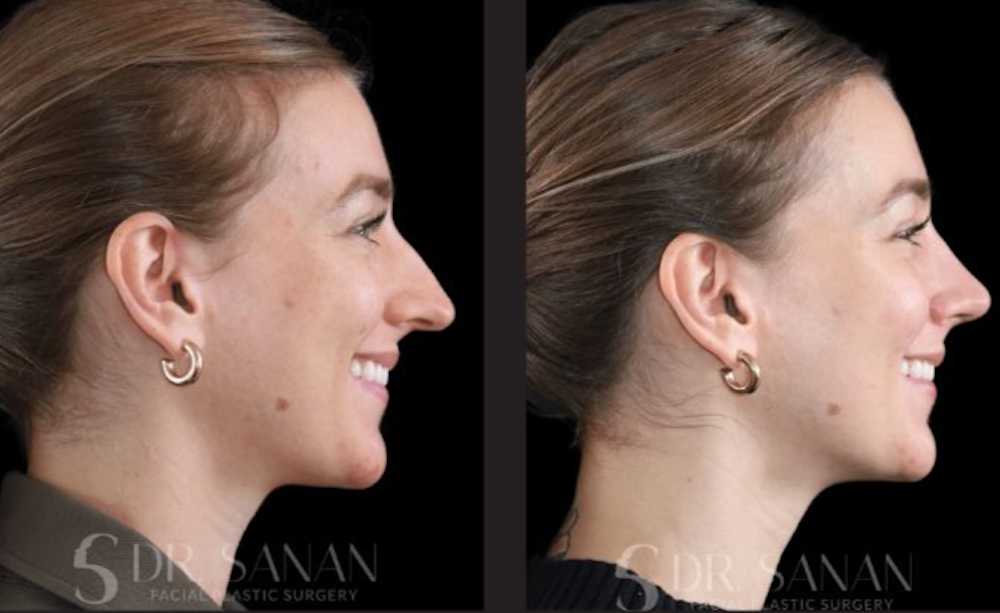
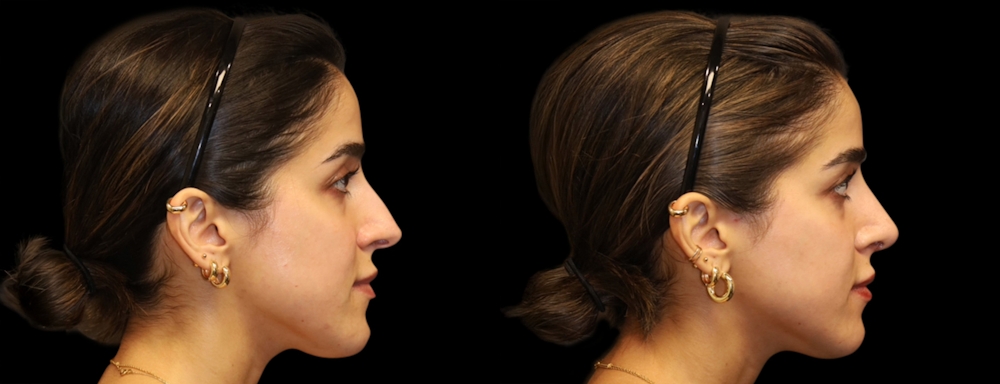
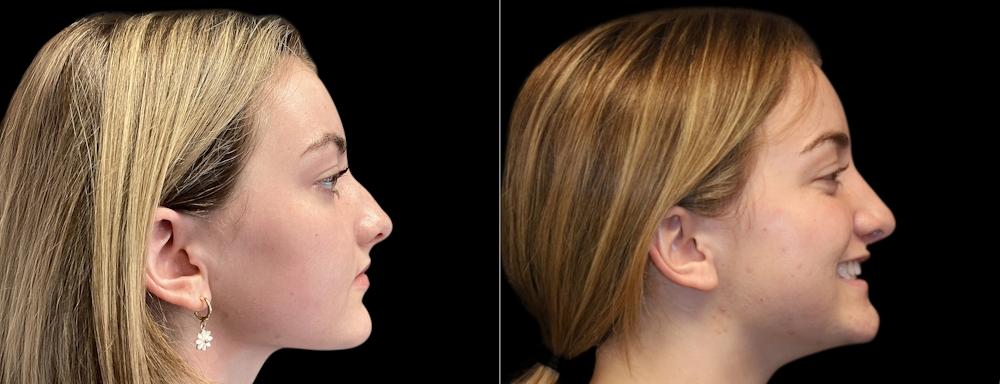
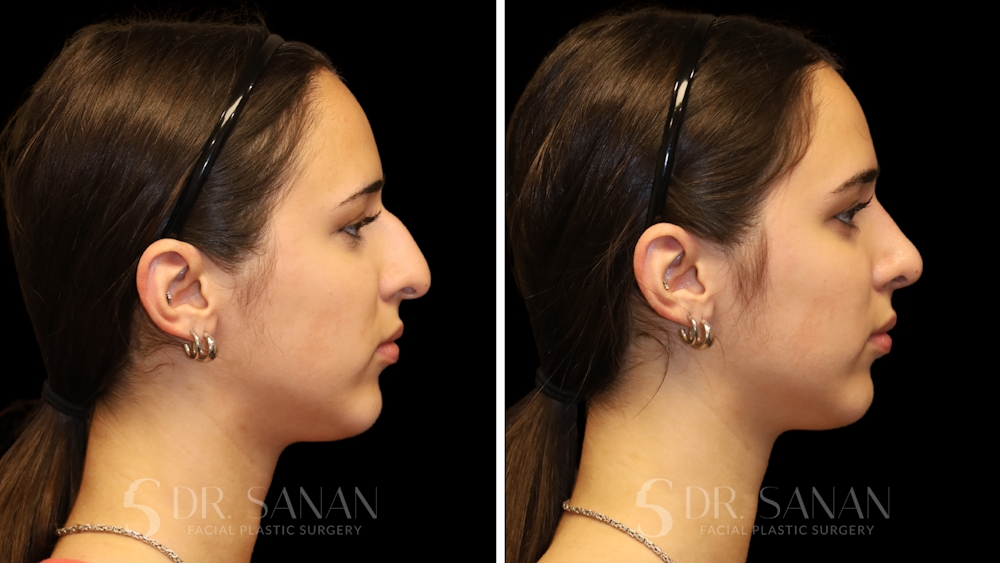
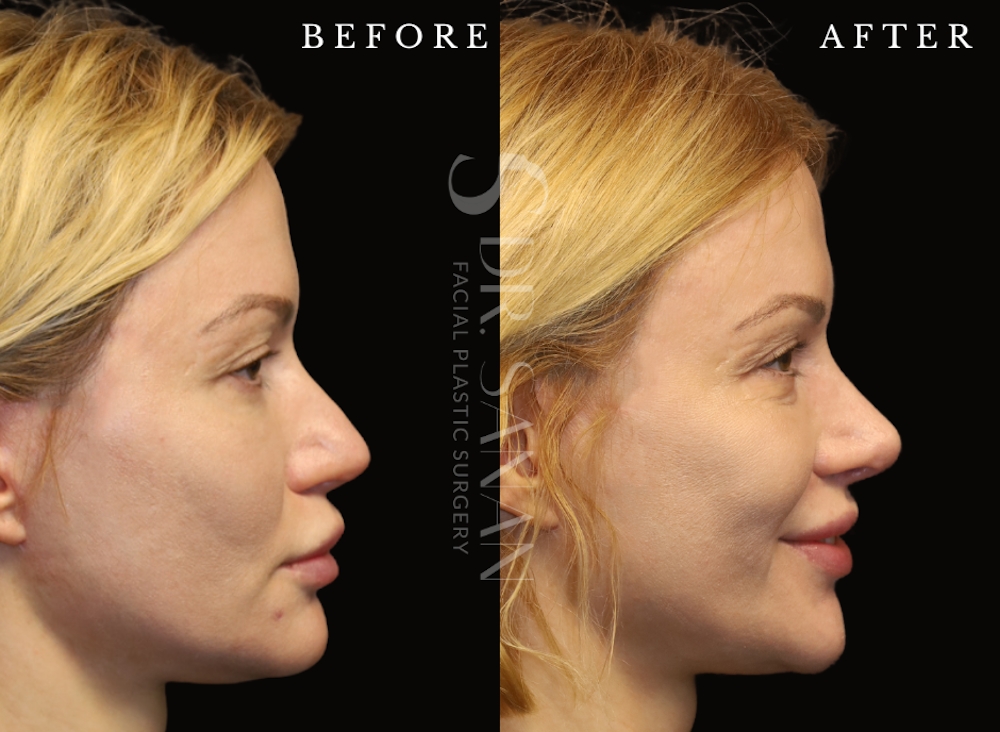
Ultrasonic (Piezo) Rhinoplasty Before & After by Dr. Sanan

Ultrasonic Piezo Rhinoplasty by Dr. Sanan in Boston, MA
Meet Your Doctor

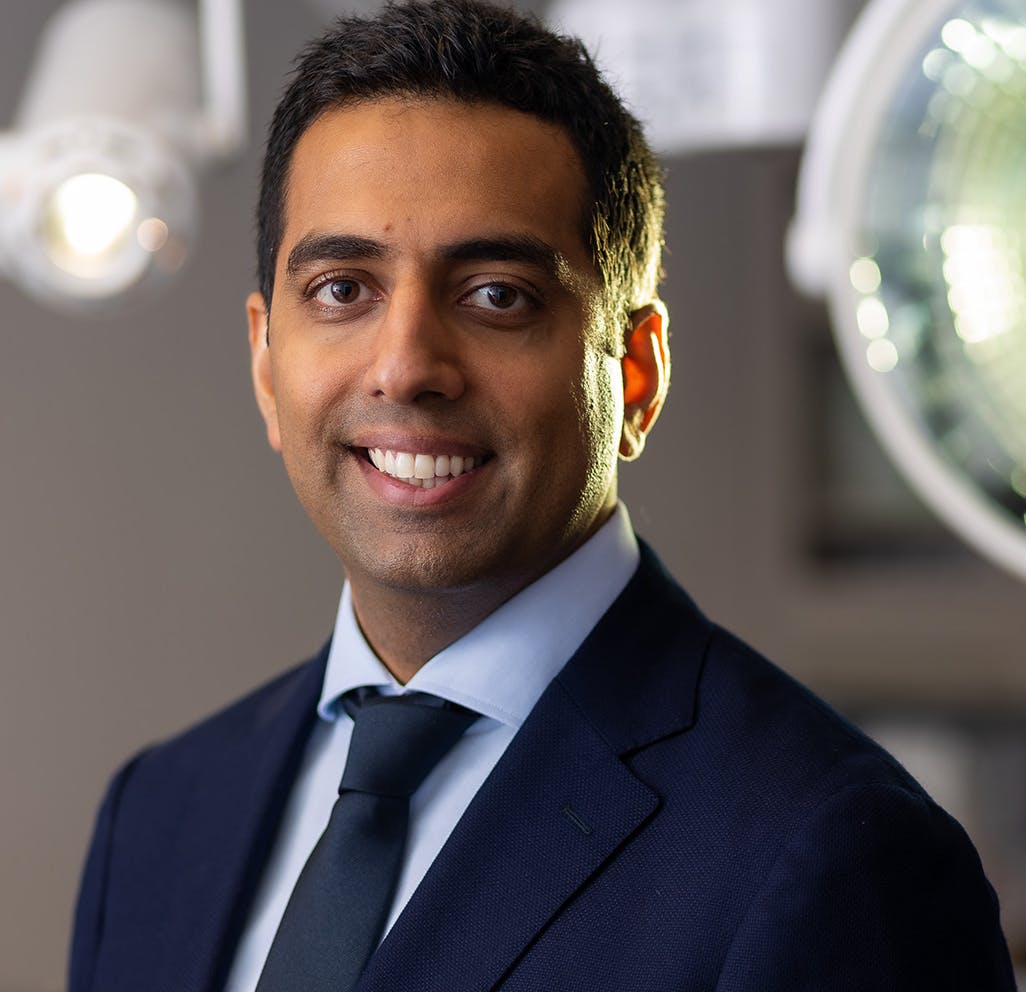
Dr. Akshay Sanan

MD, FACS

Double-board certified facial plastic surgeon Dr. Sanan is a valued member of the talented surgical team at Boston Center for Plastic Surgery. Raised in the Boston suburbs, Dr. Sanan was accepted to the Boston University School of Medicine directly out of high school. He is highly qualified as a certified facial plastic surgeon with expertise and a keen interest in rhinoplasty, deep plane facelifts, deep neck lifts, lip lifts, browlifts, and buccal fat reduction surgeries, among others. 

Learn more about Dr. Akshay Sanan

Am I a Good Candidate for Rhinoplasty Surgery?

If you are considering a nose job in Boston, determining candidacy comes down to a balance of anatomical needs, overall wellness, and personal goals. You are likely an ideal candidate if you meet the following criteria:

Reasons to Consider Rhinoplasty:

  • Unhappiness with the appearance of your nose.
  • Experiencing breathing difficulties that affect your quality of life.
  • Being in good overall health to undergo a surgical procedure.
  • Having realistic expectations about the outcome.

To take the next step, schedule a personalized consultation with Dr. Sanan, a board-certified plastic surgeon, to evaluate your nasal anatomy, discuss your goals, and design a custom treatment plan right for you.

The Rhinoplasty Procedure

Rhinoplasty is typically performed under general anesthesia to ensure your comfort and safety. There are two primary techniques: open and closed. The open technique involves a small external incision on the columella (the tissue separating the nostrils), providing full visualization of and access to the nasal structure. The closed technique involves incisions within the nostrils, leaving no visible scars. The choice between these techniques depends on the specific changes being made.

Begin Your Transformation

Contact Us Today

Post-Rhinoplasty Surgery: What to Expect?

Healing from a rhinoplasty is a journey that extends well beyond the operating room. Understanding the timeline and following proper aftercare protocols are the most effective ways to ensure your nose heals beautifully and functions perfectly.

Immediate aftercare

When you wake up from surgery, your nose will be protected by an external nasal splint to maintain its new shape, alongside a small bandage beneath your nostrils to catch any light bleeding. While some discomfort, localized swelling, and bruising are completely normal, these symptoms are easily managed by keeping your head elevated on a few pillows, using cold compresses, and taking your prescribed medications. Within the first week, you will return for a follow-up appointment to remove external sutures and the splint, giving you a preliminary look at your new profile.

Long-term recovery and results

While the bulk of visible bruising and swelling will fade within the first few weeks, the internal tissues take much longer to mature. It can take up to a full year for the residual, micro-swelling to completely dissipate and reveal the final, refined definition of your nose. During this twelve-month healing phase, it is critical to protect your skin from sun exposure to prevent permanent discoloration or prolonged swelling. Regular follow-up appointments throughout the year will ensure your nose is structurally sound and healing perfectly. Ultimate refinement requires patience, but the long-term aesthetic and functional benefits are well worth the wait.

What Procedures Can Be Combined With Rhinoplasty?

Achieving true facial harmony often means looking at the face as a whole rather than focusing on a single feature. Because the nose dictates the facial profile, balancing it frequently involves subtle adjustments to the surrounding structures. Combining procedures during a single surgical session allows you to achieve comprehensive facial refinement with a single recovery period.

The most effective procedures to pair with a rhinoplasty in Boston include:

  • Chin Augmentation: The nose and chin directly define your profile. Pairing a rhinoplasty with a custom chin implant balances a weak or recessed jawline, preventing the nose from looking overly prominent.
  • Buccal Fat Reduction: For patients wanting a more sculpted look, removing the buccal fat pads slims the lower cheeks to add chiseled definition that beautifully frames a newly refined nose.
  • Upper Blepharoplasty (Eyelid Surgery): This procedure removes sagging skin and excess fat from the upper eyelids, opening up the eye area to create a refreshed, alert, and youthful gaze that complements your new profile.
  • A Lip Lift: By gently shortening the space between the base of the nose and the upper lip, a lip lift enhances vermilion show and restores a youthful, pouty balance to the lower face.
Group shot of all doctors

Why Choose Boston Center for Plastic Surgery for Your Rhinoplasty?

Our team is led by board-certified surgeon Dr. Leonard Miller, founder of the Boston Center for Plastic Surgery. With over 35 years of experience, Dr. Miller’s advanced surgical techniques and artistic sensibility have earned him prestigious awards and recognition, establishing him as a leading plastic surgeon in Massachusetts. Our state-of-the-art facilities in Boston and Chestnut Hill support his innovative surgical practices. Additionally, we are proud to host and train young physicians from Harvard Medical School, offering them invaluable experience as they learn from our experts and contribute to advancements in the field of plastic surgery.

Additionally, Dr. Sanan is a renowned surgeon in the New England area, distinguished for his expertise in rhinoplasty, a highly specialized and intricate procedure. With a reputation built on a track record of achieving exceptional, natural-looking results, Dr. Sanan is the go-to choice for patients seeking to enhance their nasal aesthetics. His unparalleled proficiency in the realm of rhinoplasty makes him a trusted authority in the field of cosmetic surgery in the region.

Doctor media

Rhinoplasty FAQs

How soon after a broken nose can rhinoplasty be performed?

Does rhinoplasty hurt?

How long is the recovery for rhinoplasty?

Will there be scars after rhinoplasty?

Can rhinoplasty fix breathing problems?

Will health insurance cover rhinoplasty?

Can rhinoplasty fix a crooked nose caused by trauma?

Can rhinoplasty reduce snoring?

How do I know what my nose will look like after surgery?

Is it possible to reshape the nose without reducing its overall size?

How soon after a broken nose can rhinoplasty be performed?

If bones are freshly broken, correction is often done within two weeks. If too much time has passed, surgeons may wait months for healing before performing formal rhinoplasty.

Does rhinoplasty hurt?

Rhinoplasty is performed under anesthesia, so you won’t feel any pain during the procedure. Afterward, any discomfort can be managed with prescribed pain medication.

How long is the recovery for rhinoplasty?

The recovery from Ultrasonic (Piezo) rhinoplasty involves a week with a cast, stitches, and stents in the nose. While initial healing occurs rapidly, total recovery time spans 12-18 months, allowing for full refinement and settling of the nasal structures.

Will there be scars after rhinoplasty?

Rhinoplasty is typically performed with either a closed or open technique. Closed rhinoplasty leaves no visible scars, as incisions are inside the nostrils. Open rhinoplasty involves a small incision under the nose, which usually results in a small and fading scar.

Can rhinoplasty fix breathing problems?

Functional rhinoplasty can address issues like a deviated septum, nasal valve collapse, or enlarged turbinates that affect breathing. Often, patients choose a combined approach to address both aesthetic and functional concerns in one procedure.

Will health insurance cover rhinoplasty?

No, we do not accept insurance for cosmetic rhinoplasty. Insurance typically only considers coverage for functional repairs, such as a deviated septum or injury-related reconstruction. For purely aesthetic enhancements, patients are responsible for the full cost of the procedure.

Can rhinoplasty fix a crooked nose caused by trauma?

Yes. Traumatic noses often require both cosmetic and functional correction, addressing broken bones, cartilage displacement, and septal deviation to improve both symmetry and breathing.

Can rhinoplasty reduce snoring?

If snoring is related to nasal obstruction, rhinoplasty with functional correction can improve airflow and reduce snoring, though it may not address all causes.

How do I know what my nose will look like after surgery?

Many surgeons use digital imaging or 3D simulations during the consultation to help patients visualize potential outcomes. While no simulation guarantees exact results, it helps align expectations and guides surgical planning.

Is it possible to reshape the nose without reducing its overall size?

Yes. Many patients prefer refinement rather than reduction. Surgeons can focus on reshaping cartilage, improving tip definition, enhancing projection, or adjusting angles without significantly decreasing the nose’s size, ensuring natural, harmonious results.

This is a test

Contact us media
Accessibility: If you are vision-impaired or have some other impairment covered by the Americans with Disabilities Act or a similar law, and you wish to discuss potential accommodations related to using this website, please contact our Accessibility Manager at (617) 450-0070.
Contact Us